.jpg)
How Duckling Barn Glamping Solved Sanitation with Composting Toilets
Duckling Barn Glamping needed off-grid, eco-friendly sanitation. A 200L composting toilet offered a waterless, odourless, sustainable solution.
In the heart of the Wye Valley, Angharad Underwood runs The Preservation Society, a family business: making chutneys and preserves as well as providing cookery masterclasses. In July 2025, the business branched out into glamping.
The challenge of off grid glamping
With her other business squarely focussed on sustainability, Angharad was firmly of the belief that Duckling Barn should offer the same eco-friendly principles.
Based in a large field some way from the house, Angharad created a welcoming environment with two bell tents, offering great views, and allowing visitors to immerse themselves in nature.
With no mains sewerage supply nearby, sanitation was always going to be the biggest challenge. So, one main priority was to find a solution to this, whilst providing excellent hygiene facilities and remaining eco-friendly.
Recommended to Plastic Solutions by a neighbouring farm, Angharad got in touch with Jon, our General Manager, to talked over the options available. It was essential that any options met Angharad’s site specific needs whilst considering budget and sustainability principles.
Anghard remarked:
“I am so delighted I was pointed in your [Plastic Solutions] direction; it made such a difference talking to a real person and I had the best communications experience with the team and professional friendly advice”.
The solution for sustainable, off grid sewerage for Duckling Barn Glamping
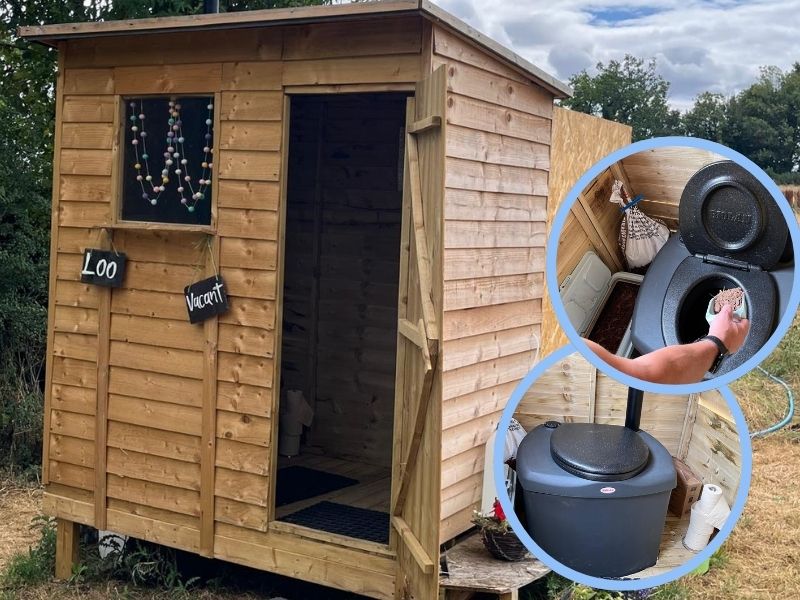
Having explored the options, on Jon’s advice, Angharad opted for a 200 litre thermally insulated eco-composting toilet . No water or power was needed, and this offered a waterless, odourless system that breaks down waste naturally, reducing environmental impact. The unit included a 35 litre bag of ‘bulking material’.
What is bulking material?
Made up of biochar, (a charcoal like substance), sustainably sourced sphagnum moss and pine bark. A scoopful of bulking material is added to the unit after every use, which helps the breakdown process and absorbs moisture and smells.
What infrastructure is needed for a composting toilet?
The unit can be placed inside a shed, hut or cabin to suit. In this case Angharad’s had made a purpose-built hut with an elevated floor. This allowed outside access to the bottom composting hatch. A roof ventilation pipe is supplied with the composting toilet. This funnels out any smells directly from the internal unit to the outside and aids aeration within the composter. (see image). A cowl (ventilator) was additionally fitted to the ventilation pipe on the cabin roof to catch debris and protect from inclement weather.
How a composting toilet works
The whole process happens inside the body of the unit; with waste and bulking material going in the ‘top’, and several weeks later, rich, odourless top soil being extracted from the external bottom hatch.(see image)
The unit is completely sealed, so there is no issue with pests getting in, and an internal aeration system, supplying air to the centre of the compost mass, speeds up the decomposition process.
From Angharad’s perspective, it offered an ideal solution as there was little to no infrastructure to consider and it fitted well with the sustainable ethos of her business.
The results - glamping with a composting toilet
“It was easy to install and maintain, and there has been no ‘Glastonbury smell” explained Anghard. “ For children glamping on site, the whole process of adding bulking material to the toilet really sparked their curiosity, questioning what’s happening and becoming immersed in the whole eco-process.
How did the composting toilet stand up to multiple guests usage?
After its first season and around 60 visitors to the site, the composting toilet was about half full (It’s a 200 litre unit). Which was great and this quickly reduced down in only a couple of days.
The breakdown process in a composting toilet:
First stage – the warming phase, (which takes a few days) The waste quickly reduces down with moderate heat, where microbes break down easily digestible organic matter.
Second stage – The hot phase, (2-3 weeks) – Higher temperatures are created by microbes which decomposes the material rapidly.
Third Stage - The cooling phase, whereby the mass matures into a stable earthly smelling humus.
After the season had finished in early September Angharad explained what happened next.:
“We then waited a few weeks before deciding it was time to empty it, not because it was full, but because we were curious to find out how well the composting toilet had done its job.”
Did you have any worries about emptying the composting toilet?
“Yes, at first there was some anxiety about what to expect, but that proved to be completely unfounded. My husband had suited up ready for what we thought was going to be an awful job, but actually the opposite was true.”
The Big question – do composting toilets smell?
“We had absolutely no smell whatsoever, we were so surprised and the best compost ever came out [of the composting toilet] which actually had a lovely earthy smell. It was a pleasure to empty, if that’s possible!”
What did visitors think of the composting toilet experience?
Comments from customers included: ‘it was so easy to use’, ‘the seat was really warm’, which proved to be particularly welcome during chilly mornings and nights; and ‘a very relaxing experience’. It provoked lots of discussion, all of which were positive and inspired interest and engagement.
Was the composting toilet easy to put into operation?
“The whole process was so easy – from talking to you guys at Plastic Solutions to delivery and instalment. We also paired the toilet with eco-friendly cleaning materials and toilet paper to give that all-inclusive feeling of living off grid, but with a hint of luxury in the bell tents with double beds, futons and an outside fire pit.
It’s been such a successful season for us, we are now contemplating our next move: adding more units and another composting toilet too. I can’t believe how stress free this whole process has been, and as a business we’ve benefited from providing a completely sustainable and enjoyable experience for our guests."
Deciding whether composting toilets would work for your glamping site, offgrid location, rurla home or allotment is a big decision, so talk to us and we will talk you think your finer details to make the right choice for yoiur locaiton.
Want to read more about compostng toilets? Try the links below:
Do composting Toilet smell? No, here's why
How to empty a compsoting or dry toilet
What to do with waste from a composting or dry toilet
OTHER POSTS IN THIS CATEGORY:
.jpg)
Learn how Tŷ Hafan uses the Biolan eco220 hot composter to recycle food waste on-site, reduce costs, and nourish hospice gardens year-round.

.jpg)
Discover 10 practical ways to reuse filtered greywater safely for gardens, toilet flushing, composting and off-grid living.
.jpg)
How a Bristol community eliminated commercial waste fees turning 4.5 tonnes of food scraps into rich compost in 6 weeks with a Biolan hot composter
Duckling Barn Glamping needed off-grid, eco-friendly sanitation. A 200L composting toilet offered a waterless, odourless, sustainable solution.

.png)
The Biolan 220eco composter handles all food waste, including cooked scraps, all winter. Use bulking material for perfect, odour-free compost

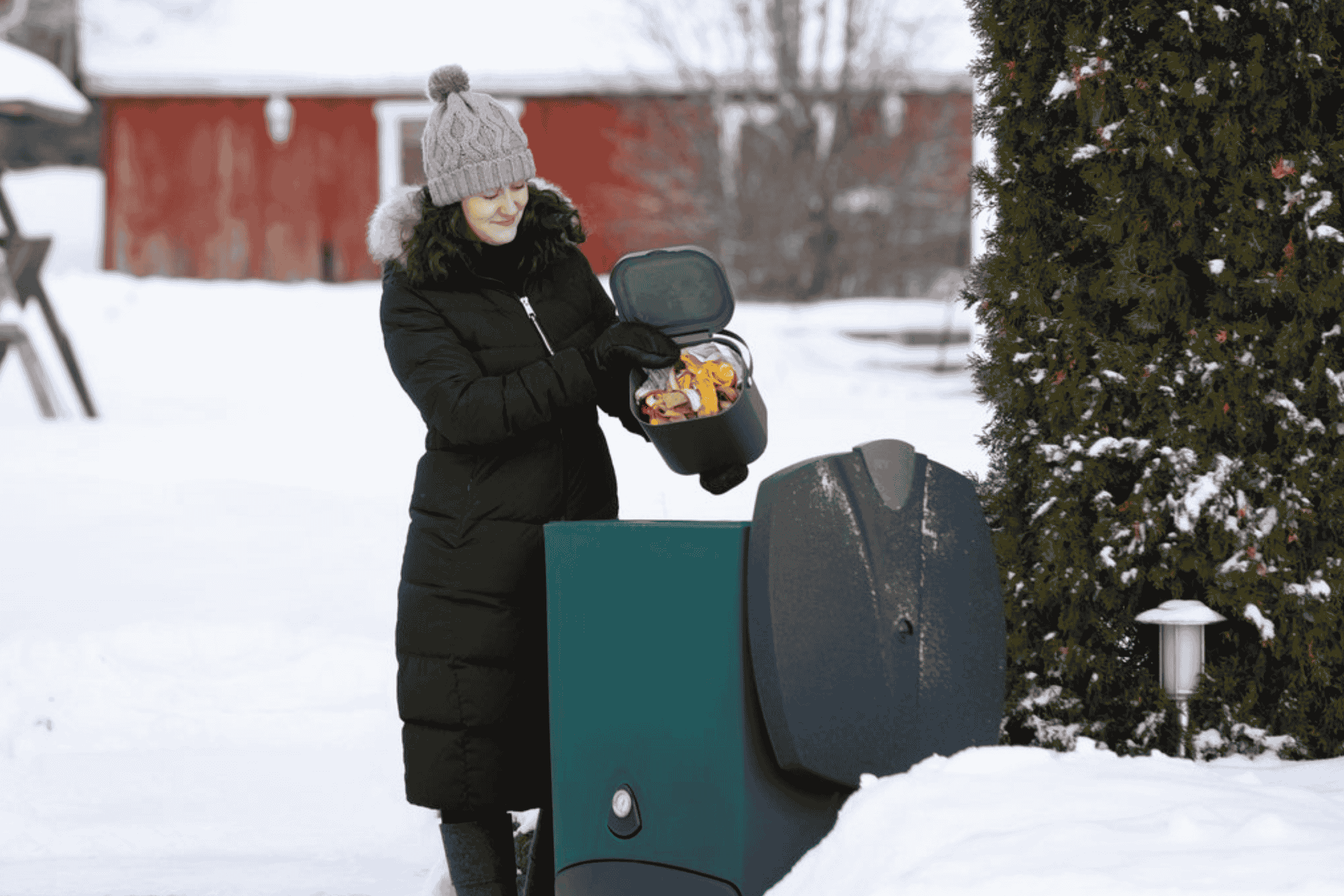
Yes, you can compost in winter! Learn how to keep your bin active during the UK's cold months with tips, tools, and winter-ready composters.

SEARCH BY AUTHOR:
